
Expert Denture Technology: Better Function, Lasting Comfort, and Aesthetics
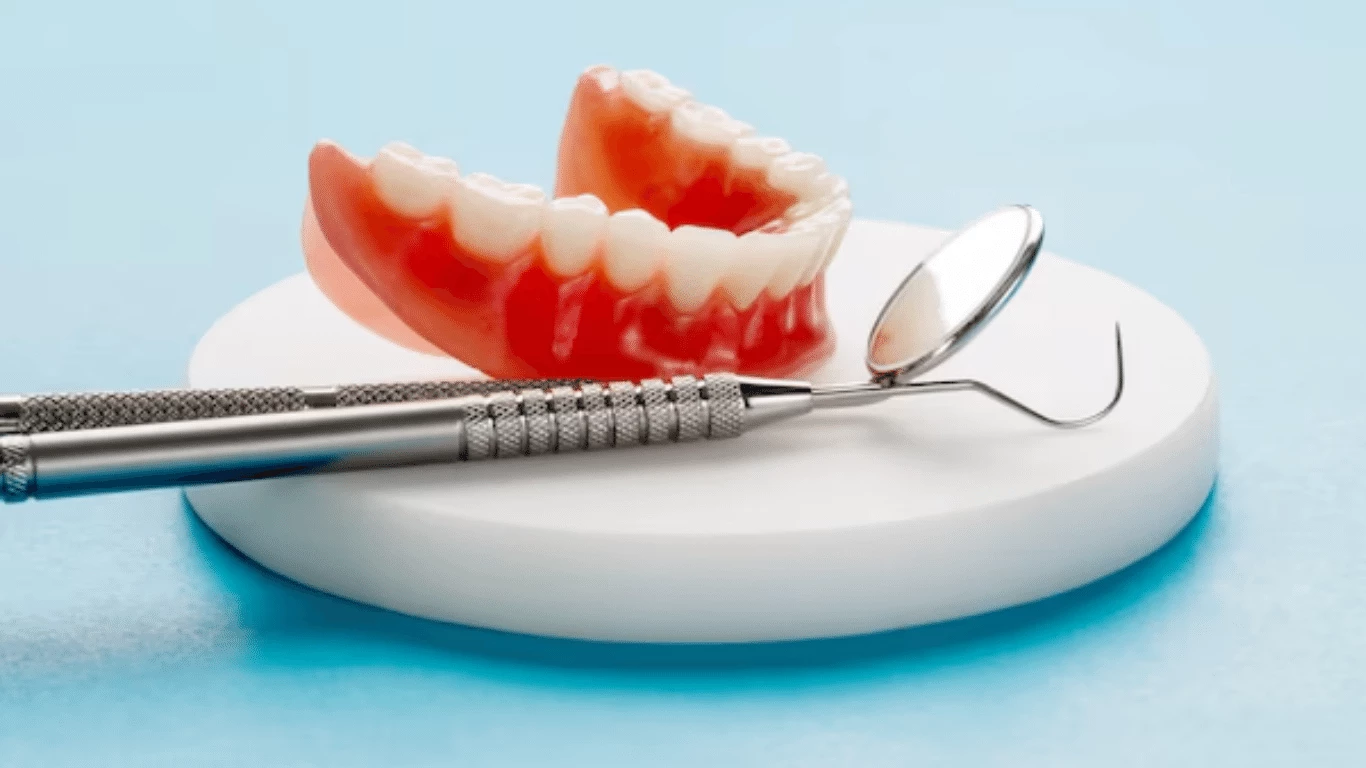
Advances in prosthetic dentistry have transformed what patients can expect from dentures. Where traditional dentures once prioritized only basic function, today’s expert denture technology focuses on biomechanics, comfort, and natural aesthetics. Precision design, digital workflows, and new-generation materials have reshaped how dentures are made and how they feel in everyday use. This modern approach is redefining expectations, giving patients lightweight, durable, and lifelike replacements that adapt seamlessly to their lifestyle.
One of the most significant developments in the field is the shift toward digital scanning, CAD/CAM fabrication, and high-performance polymers. These innovations form the science behind today’s ultra-light dentures, enabling prosthetics that fit with unprecedented accuracy while reducing bulk and weight. The result is a denture that feels stable and natural, even during extended wear.
Precision Fit Through Digital Dentistry
Digital impressions have nearly eliminated the discomfort and inaccuracies of traditional moulding methods. In expert denture fabrication, intraoral scanners capture the exact topography of a patient’s gums and oral cavity, producing a highly precise digital model. This ensures a more secure prosthesis while significantly reducing the likelihood of pressure points, sore spots, or the looseness often associated with older denture styles.
Beyond the initial impression, digital records also allow clinicians to track changes in the mouth over time. Bone resorption, shifting oral muscle patterns, and gum contour variations can be monitored and accounted for in future adjustments. This results in a longer-lasting functional fit and fewer remakes.
Ultra-Light, High-Strength Materials
Material science plays a critical role in next-generation dentures. Modern options such as flexible polyamides, advanced acrylic resins, and reinforced composite bases are designed to mimic the resilience of natural tissue. These substances allow for thinner yet stronger dentures, enhancing comfort without sacrificing durability.
Ultra-light dentures reduce strain on the jaw and facial muscles. They also allow improved airflow, making speaking easier and more natural. For wearers who previously struggled with heavy prosthetics, this advancement can be life-changing.
Improved Bite Function and Stability
Functionality remains a core priority in expert denture technology. Advanced occlusal design—how the upper and lower teeth meet—ensures proper distribution of force, protecting both the prosthetic and the sensitive tissues beneath it. Modern dentures are shaped to stabilize during speech and chewing, minimizing unwanted movement.
For those seeking even greater security, today’s technology easily integrates with implant-supported systems. Implants prevent slippage, improve bite strength, and dramatically increase comfort. When paired with digitally designed dentures, they offer one of the most stable and functional solutions available.
Lifelike Aesthetics Through Customization
Aesthetic customization has also improved dramatically. Modern dentures are not generic; they are tailored to harmonize with each patient’s facial symmetry, skin tone, lip support, and natural oral characteristics. Tooth shape, translucency, and shade-matching techniques allow clinicians to craft dentures that replicate the appearance of natural enamel.
Additionally, gingival aesthetics now feature nuanced texturing and multi-toned layering, creating a realistic gumline. This level of detail ensures patients can smile confidently without their dentures looking artificial.
Enhanced Comfort and Long-Term Wearability
Comfort is no longer considered secondary. Expert denture designs focus heavily on minimizing irritation and maximizing breathability. Computer-guided contouring ensures that the denture base distributes pressure evenly across the gums. The lightweight material reduces fatigue during long days of wear, and the slim design minimizes interference with tongue movement.
Denture stability during daily activities—talking, laughing, or eating—is often cited by wearers as a key component of comfort. With modern fabrication, these concerns are significantly reduced.
Personalization for Active Lifestyles
High-quality dentures are not one-size-fits-all. Whether a patient needs durable prosthetics for an active lifestyle, flexible partials for a sensitive mouth, or premium cosmetic dentures for the most natural appearance, today’s technology offers a wide spectrum of customized options. Patients can choose from materials and designs tailored to their dental history, comfort needs, and aesthetic preferences.
A Future Driven by Technology and Comfort
As digital dentistry continues to evolve, dentures will only become more precise, lightweight, and natural-looking. Innovations in 3D printing, biocompatible materials, and AI-driven design are already influencing the next wave of prosthetic development. For patients seeking modern, discreet, and functional tooth replacement, expert denture technology represents a new standard that blends science, art, and customization. To further explore how today’s advancements are reshaping denture design, visit resources offering modern solutions that are more natural-looking.